The Dr. Dennis Gross DRx SpectraLite FaceWare Pro sits at the top of the LED face mask price range at $455, positioning itself as a premium alternative to cheaper options. With 162 total LEDs (100 red, 62 blue) and backing from a dermatologist with 25 years of experience, it promises professional-grade results at home. But user reviews tell a more complex story.
Brand Background: Dermatologist Credibility Meets Consumer Products
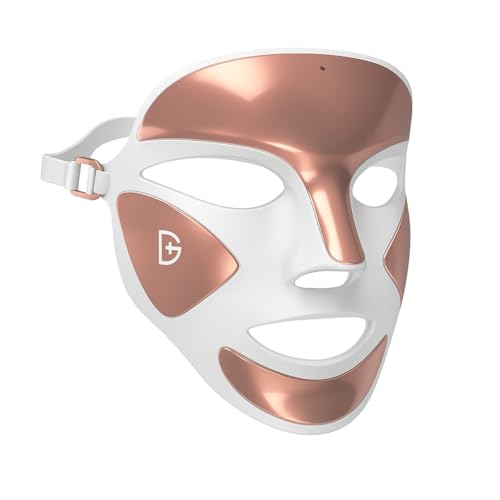
Dr. Dennis Gross built his reputation as a Manhattan dermatologist before expanding into skincare products and devices. His brand carries genuine medical credibility — he’s not a celebrity endorser or marketing creation, but an actual practicing dermatologist who developed cosmetic formulas for over two decades.
This medical background sets the DRx SpectraLite apart from brands that simply rebrand generic LED masks. The device reflects clinical thinking: dual wavelengths for different skin concerns, specific treatment timing (3 minutes), and FSA/HSA eligibility that recognizes its medical positioning.
The brand’s approach appeals to consumers who want professional-grade treatments without clinic visits. They’re targeting people willing to pay more for perceived medical legitimacy rather than budget-conscious buyers looking for basic LED therapy.
Device Specifications: What 162 LEDs Actually Deliver
The FaceWare Pro uses 100 red LEDs at 660nm and 62 blue LEDs at 415nm. Red light at this wavelength penetrates deeper into skin to stimulate collagen production, while blue light targets surface-level bacteria associated with acne.
The LED count sounds impressive, but density matters more than total numbers. With LEDs spread across the entire face mask, the actual light intensity per square inch isn’t dramatically higher than masks with fewer but more concentrated LEDs.
The device offers three modes: red only, blue only, or combined red and blue. Most users gravitate toward the combination mode, which provides the broadest range of skin benefits in a single 3-minute session.
Power delivery comes through a USB-C charging cable, but here’s a critical detail buried in the instructions: you must use a USB-A power source. Direct USB-C charging can damage the battery — an unusual limitation that’s caught multiple users off-guard based on review patterns.
User Review Analysis: High Expectations, Mixed Outcomes
Across 550 Amazon reviews, the 3.7-star rating reveals significant user frustration despite the premium positioning. The most common complaint pattern isn’t about light therapy effectiveness — it’s about build quality and reliability.
Multiple users report the device failing within 6-12 months of regular use. LED sections go dark, charging ports become unreliable, or the device simply stops powering on. For a $455 purchase, this failure rate is notably higher than expected.
Charging issues appear frequently in negative reviews. The USB-C restriction isn’t clearly communicated upfront, leading to battery damage for users who assume any USB-C charger will work. This design choice seems unnecessarily limiting for a premium device.
When the device works, users generally report positive skin improvements. Reviews consistently mention smoother texture, reduced fine lines, and clearer skin after 4-6 weeks of regular use. The red light benefits appear more universally appreciated than the blue light acne treatment.
The 3-minute treatment time gets mixed feedback. Some users appreciate the quick sessions, while others question whether it’s long enough for meaningful results compared to LED face masks that offer 10-15 minute sessions.
Performance Comparison: Premium Price, Middling Results
Against other high-end LED masks, the Dr. Dennis Gross device falls short in several areas. The CurrentBody LED mask offers similar wavelengths with better build quality reports at a comparable price point.
For budget-conscious buyers, the value proposition becomes even more questionable. Several budget LED face masks deliver comparable light therapy at one-third the price, with the main trade-off being brand prestige rather than functionality.
The Dr. Dennis Gross brand commands a premium, but user reports suggest you’re primarily paying for the dermatologist name rather than superior engineering or materials. The LED technology itself isn’t proprietary — similar wavelengths and treatment protocols are available from multiple manufacturers.
Professional clinics often use panels with higher power density and longer treatment times. The best red light therapy panels designed for home use actually deliver more comprehensive treatment coverage than any face mask format.
Durability Concerns: Premium Price, Questionable Longevity
The most troubling pattern in user reviews centers on device longevity. Multiple verified purchasers report complete failures within the first year, often just outside warranty periods. For a device positioned as a long-term skincare investment, this raises serious value concerns.
LED technology should theoretically last for decades with proper design. The fact that entire LED sections regularly fail suggests potential issues with circuit design or component quality. This is particularly disappointing given the premium price point.
Charging problems compound the durability issues. Users report loose charging ports, cables that stop working, and batteries that won’t hold a charge. These are fundamental engineering problems that shouldn’t occur at this price level.
Customer service experiences vary widely based on reviews. Some users report helpful replacement policies, while others describe frustrating interactions when devices fail shortly after purchase.
FSA/HSA Eligibility: One Clear Advantage
The device’s FSA/HSA eligibility provides a genuine financial benefit for users with health spending accounts. This medical classification isn’t available for most consumer LED masks, making the Dr. Dennis Gross option more accessible for people with these benefits.
The medical positioning also means the device meets certain safety and efficacy standards required for healthcare products. While this doesn’t guarantee superior results, it does provide additional regulatory oversight.
Treatment Experience: Quick but Limited
The 3-minute treatment time fits easily into daily routines, but it’s significantly shorter than most competing devices. While Dr. Dennis Gross claims this duration is scientifically optimized, many users express skepticism about whether such brief exposure provides meaningful benefits.
The mask design covers the full face but may not fit all face shapes equally well. Users with larger or smaller facial features report gaps that reduce treatment effectiveness. The strap system is adjustable but not as comfortable as some competing designs.
Light intensity feels adequate during treatment — users report seeing the red glow clearly even with eyes closed. However, without independent power measurements, it’s impossible to verify whether the actual light output justifies the premium price.
Value Assessment: Brand Premium Without Performance Justification
At $455, the Dr. Dennis Gross LED mask sits in the premium segment without delivering premium reliability. You’re paying for dermatologist credibility and FSA/HSA eligibility, but getting middling build quality and shorter treatment times than many competitors.
The medical backing provides peace of mind for some users, but it doesn’t translate to superior results based on review patterns. Similar wavelengths and treatment protocols are available from other manufacturers at significantly lower prices.
For users prioritizing brand prestige and medical positioning over value, the device may justify its cost. But purely from a cost-per-benefit perspective, multiple alternatives offer better returns.
Who Should Buy This Device
The Dr. Dennis Gross LED mask makes sense for a narrow user profile: people with FSA/HSA accounts who prioritize medical credibility over value optimization. If you can purchase with pre-tax healthcare dollars and want a dermatologist-backed device, the premium becomes more palatable.
Users seeking the quickest possible treatment routine may appreciate the 3-minute sessions, though this comes at the cost of potentially reduced effectiveness compared to longer treatment protocols.
Who Should Skip This Device
Most users should consider alternatives. The reliability issues, high price, and limited treatment time create a poor value proposition compared to other options in the best red light therapy for face category.
Budget-conscious buyers can achieve similar results with devices costing one-third as much. Users prioritizing build quality and longevity will find better options from manufacturers focused on engineering rather than brand positioning.
Anyone expecting professional-clinic results will likely be disappointed. The device provides modest improvements at best, which don’t justify the significant cost premium over proven alternatives.
Final Verdict: Brand Credibility Can’t Overcome Fundamental Flaws
The Dr. Dennis Gross DRx SpectraLite FaceWare Pro represents a missed opportunity. The brand has genuine medical credibility and the device incorporates sound light therapy principles, but execution falls short of the premium positioning.
Reliability problems are unacceptable at this price point. The unusual charging limitations suggest poor design choices. The 3-minute treatment time appears optimized for convenience rather than effectiveness.
For most users, this device offers the worst of both worlds: premium pricing without premium performance. The FSA/HSA eligibility provides the only clear advantage over competing options, but it’s not enough to overcome the fundamental value problems.
Skip this device unless you have specific healthcare account benefits that make the premium more manageable. Even then, consider whether the brand prestige is worth the documented reliability risks and limited treatment duration.