Celluma Light Therapy Review: FDA-Cleared Device Worth the Premium?
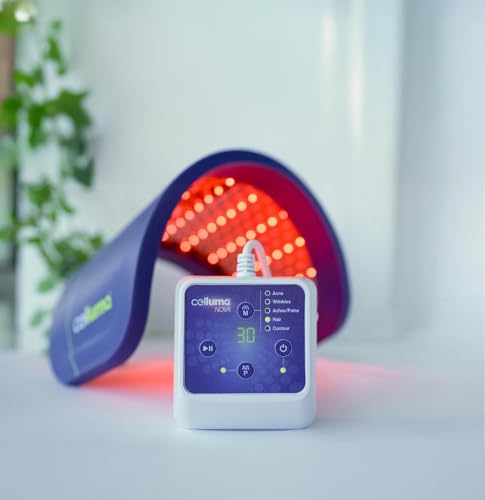
Celluma stands apart in the crowded light therapy market as one of the few brands with actual FDA clearance for medical claims. While most consumer devices make vague wellness promises, Celluma’s professional-grade technology comes with regulatory backing — and a price tag to match.
The brand originated from BioPhotas, a California company founded in 2002 that initially developed light therapy for NASA space missions. That aerospace heritage translates into devices built for clinical settings, though their consumer models like the NOVA aim to bring professional-grade therapy home.
What Makes Celluma Different
Unlike typical consumer light therapy devices that rely on fixed LED arrays, Celluma’s signature feature is its flexible, shape-conforming panels. This isn’t just marketing fluff — the ability to wrap around joints, follow facial contours, or lay flat against the scalp directly impacts treatment effectiveness.
The brand focuses exclusively on light therapy, unlike wellness companies that scatter across multiple product categories. This specialization shows in their FDA clearances: the NOVA is cleared for wrinkle reduction, acne treatment, and muscle/joint pain relief. Most competitors can’t make medical claims at all.
Celluma devices also use precise wavelength combinations backed by clinical research. The NOVA combines 660nm red light for surface-level skin benefits with 850nm near-infrared for deeper tissue penetration — a more sophisticated approach than single-wavelength devices.
Celluma NOVA: The Flagship Home Device
The NOVA represents Celluma’s attempt to pack professional capabilities into a consumer-friendly format. At $1,615, it’s positioned as a premium alternative to basic red light therapy panels or LED face masks.
Technical Specifications That Matter
The NOVA packs 236 therapeutic LEDs into a flexible 12” x 8” panel. That’s roughly 2.5 LEDs per square inch — decent density for even coverage, though not the highest available. Each LED outputs 5mW at skin level, creating total power output around 1,180mW across the full panel.
More importantly, the wavelengths are clinically validated: 660nm red light penetrates 2-3mm for skin-level benefits, while 850nm near-infrared reaches 5-10mm into muscle and joint tissue. This dual-wavelength approach makes the device genuinely versatile, unlike single-color options.
The flexible panel design uses proprietary silicone housing that maintains LED positioning while conforming to body curves. This ensures consistent 2-3mm distance from skin — critical since light therapy effectiveness drops dramatically with distance.
Battery life runs 2-3 hours per charge, sufficient for multiple 20-minute sessions. The digital display shows remaining time and selected treatment mode, though some users report the interface feeling basic for the price point.
Five Treatment Modes Explained
The NOVA offers preset programs rather than manual wavelength control:
Acne Mode: Combines blue light (415nm) for bacteria-killing with red light (660nm) for healing. Treatment time is 20 minutes. This essentially replaces dedicated red and blue light therapy masks for facial acne.
Anti-Aging Mode: Pure 660nm red light for 20 minutes, targeting collagen production and red light therapy for wrinkles. The flexible panel allows treatment of crow’s feet and laugh lines that rigid masks miss.
Hair Mode: 850nm near-infrared for 25 minutes, designed for scalp treatment and red light therapy for hair growth. The conforming panel maintains consistent distance across the curved scalp surface.
Pain Mode: 850nm near-infrared for 30 minutes, intended for muscle and red light therapy for joint pain. The longer treatment time reflects the deeper tissue penetration needed.
Body Contouring Mode: Alternates between wavelengths for 30 minutes. Clinical evidence for fat reduction is limited, making this the most questionable mode.
User Experience and Review Analysis
With limited Amazon reviews (only 1 five-star review currently), long-term user feedback comes primarily from professional forums and Celluma’s clinical studies. The patterns that emerge are telling:
Common Praise Points
Professional users consistently highlight the device’s build quality and consistent output over time. Unlike cheaper devices that dim after months of use, the NOVA maintains LED intensity across thousands of hours.
The flexible design receives universal praise for joint and scalp treatments. Users report being able to wrap the device around knees, elbows, and shoulders for targeted pain relief — something impossible with rigid panels.
Treatment results align with clinical expectations for FDA-cleared devices. Users see acne improvements within 2-4 weeks and wrinkle reduction after 6-8 weeks of consistent use. These timeframes match how long red light therapy takes to work for legitimate devices.
Frequent Complaints
The price point draws the most criticism. At $1,615, the NOVA costs 3-5x more than effective red light therapy devices from brands like Joovv or Red Light Rising. Many users question whether the premium delivers proportional value.
Treatment area size limitations frustrate users wanting full-body therapy. At 96 square inches, the NOVA requires multiple positioning changes to treat large areas like the back or legs. Dedicated full body red light therapy panels cover more area for less money.
Battery dependency creates workflow issues for intensive users. Professional settings often prefer plug-in operation to avoid charging interruptions, though the cordless design offers placement flexibility.
The preset modes lack customization options that advanced users expect. You can’t adjust treatment time, intensity, or wavelength ratios — features available on comparably-priced professional devices.
Competition and Value Assessment
Versus Consumer Alternatives
Compared to budget options like Bestqool or Hooga panels, the Celluma NOVA offers superior build quality and regulatory backing. However, the 10x price difference is hard to justify for most home users.
Popular red light therapy masks like CurrentBody or Dr. Dennis Gross cost $200-400 and target similar skin benefits. The NOVA’s flexibility and larger treatment area provide advantages, but not enough to justify the premium for face-only treatments.
Professional Device Comparison
Against true professional devices like Omnilux or LightStim systems, the NOVA holds its ground technically but lacks the service support and warranty coverage professionals expect. It occupies an awkward middle ground — too expensive for casual consumers, too limited for serious practitioners.
The closest competitor is probably the LightStim Professional panel at $1,695. Both offer FDA clearance and professional build quality, but LightStim provides larger treatment areas and established professional distribution networks.
Who Should Buy Celluma NOVA
Strong candidates: People with specific therapeutic needs who value regulatory backing over cost savings. If you’re treating chronic joint pain, persistent acne, or significant aging concerns and want a device with medical claims, the FDA clearance justifies the premium.
Also consider: Users requiring versatile treatment options. The five modes and flexible design make the NOVA suitable for full-body use, unlike specialized devices that target single concerns.
Skip this if: You’re budget-conscious or want maximum treatment area coverage. Multiple red light therapy panels or specialized devices like dedicated red light therapy belts for targeted areas offer better value for most users.
Definitely skip: Casual wellness users who want to try light therapy without significant investment. The NOVA’s benefits don’t justify the cost unless you have specific therapeutic goals and consistent treatment commitment.
Bottom Line
Celluma NOVA delivers legitimate therapeutic benefits backed by FDA clearance and clinical research. The flexible design and multi-wavelength capability create genuine advantages for targeted treatments.
However, the $1,615 price point puts it in direct competition with professional-grade devices while lacking the treatment area and power output serious users expect. For most people, effective light therapy is available for far less money.
The NOVA makes sense for users with specific medical needs who value regulatory backing and don’t mind paying premium prices for incremental improvements. Everyone else should start with proven alternatives and upgrade later if needed.
The brand’s reputation for quality is well-established, but reputation alone doesn’t justify the cost differential. Unless you specifically need the unique combination of flexibility, FDA clearance, and multi-mode capability, better value exists elsewhere in the light therapy market.